
You’re Wrong About Marketing
Why I disagree with most marketing advice

When you’re a billionaire, raising venture capital for your new startup is not hard at all. People already trust you (the fact that you’re a billionaire!), and all you have to do is make investors believe that what you’re building will change the world, and it’s a once-in-a-lifetime investment opportunity for them.
That’s the story of Quibi, a short-form streaming platform founded by two billionaires, Jeffrey Katzenberg and Meg Whitman in 2018, promising to revolutionize the streaming industry, going head-to-head with Netflix, YouTube, TikTok, and Meta Platforms.
Quibi’s premise? People are busy, they don’t have time to watch hours-long videos on Netflix. They need short, quick, premium video content, usually under 5-15 minutes that they can consume easily on their phone. This sounded like a great idea, so investors poured $1.75 billion into the company.
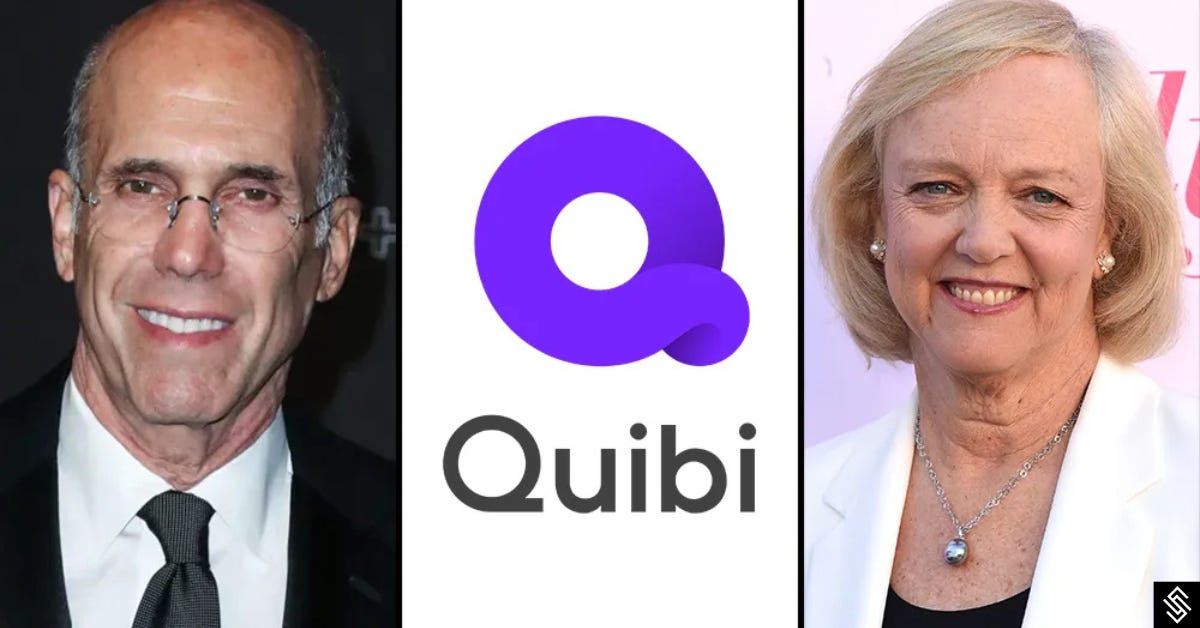
But the crazy part? I don’t know if you know this, but just like Mira Murati’s AI company, Thinking Machines didn’t have any working product when it raised billions of dollars (oh wait…they still don’t?), the same way Quibi didn’t have a working product when it started raising capital—the Billionaire Effect, as they say lol!
Several months later however, in 2019, Quibi announced that after building the platform for a few years, they were finally going to launch it in 2020. Poor investors who had gambled their money to make a profit from a company founded by billionaires!
And I’d argue that when you’re already a billionaire, when it comes to building and growing a startup, you may overlook a lot of things. You may overlook or underappreciate solid market research, asking for initial customer feedback, or in general building the product the right way because you’re overconfident.
And that’s the exact mistake Quibi’s founders made.
The company had raised more money than they needed, so it created an abundance mindset. What did they do with $1.75 billion? Well, Quibi spent an enormous amount of money, $63 million in just a few months on marketing, planning to deploy around $400 million in the first year alone.
Quibi burned capital on celebrity promos, billboards in every major city, Super Bowl ads, social media ads, influencer marketing—they did everything they could to let people know about the product. Now of course, this was not bad at all; anyone with over a billion dollars in budget would like to spend a decent amount on marketing.

So what went wrong?
When you spend tens of millions of dollars advertising a product in a pretty short period of time, it does seem like you’re gaining exposure and the platform is growing. That’s exactly how Quibi felt. But their marketing was ineffective. Of course, they did manage to get eyeballs and hijack people’s attention, but it was unclear to people who the platform was built for. Many showed hesitation to try the product because a) the platform wasn’t free, $5 with ads, $8 without per month, so why not just use YouTube or TikTok? And b) People who did sign up would churn out quickly because there was a mix and match between what the platform offered and what people needed—a lack of a high-quality content library made it hard for the users to keep paying for the product.
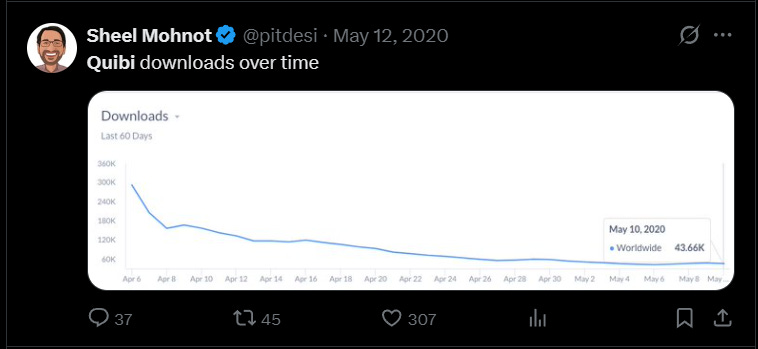
The company was shut down within 8 months of launch in December 2020.
Many people believe that the 2020 pandemic was the reason Quibi failed. I disagree, because that was clearly not the case. Quibi was an online streaming platform, not like Airbnb, Uber, or DoorDash that actually faced the death crisis in the pandemic. And if you study what really happened in the pandemic, you’d know that the video streaming platforms like YouTube, Netflix, TikTok, and Meta Platforms actually saw a massive growth in user base and revenue, not a decline—no way Quibi wouldn’t.
The reality is, great marketing can’t save a bad product.
Quibi’s failure is one of those stories that teaches you that spending millions marketing a product isn’t enough, and it’s actually dangerous if you’re marketing the wrong way. And this is why it’s so important to understand what marketing really is. Because ultimately you whisper, “How a company like Tesla became a trillion-dollar juggernaut without spending a dime on advertising, while a company like Quibi failed despite spending tens of millions of dollars on marketing.”
Here’s how to actually think about Marketing:
Understanding Marketing
Before we understand what marketing really is, one must know what marketing is NOT really about. Precisely, marketing is not about asking people to buy the product you’re selling, it’s not really about persuading people to take an action, and it’s not really about attracting an audience. If you’re thinking these are marketing, I think you aren’t thinking big enough about it.
And even though you’d argue that these are some forms of marketing, I think it’s worth pointing out that marketing, in a real way, goes beyond that. These may sound like the right definition for someone who doesn’t fully grasp marketing.
For example, Caroline from HubSpot, who says:
Marketing refers to any actions a company takes to attract an audience to the company’s product or services through high-quality messaging. Marketing aims to deliver standalone value for prospects and consumers through content, with the long-term goal of demonstrating product value, strengthening brand loyalty, and ultimately increasing sales.
Do you buy it? I don’t know about you, but I don’t.
When you see an Apple billboard, you don’t immediately take action or buy their product. Many don’t even use Apple products, but they’d be like, “Apple is great, I really admire the company.” Why? Because it’s the perception of the brand. To make marketing work and get its job done, it does not need to make people buy, use a product, or become a loyal customer. However, great marketing always does that.
I believe there are only two kinds of marketing that really matter: Brand Marketing and Product Marketing. Brand marketing is when you market your company and tell people who you are as a company, what you stand for, and what you do matters. Product marketing is when you market your (new) product. But you can’t crack the latter without cracking the former, unless you have a really, really great product.
And this is where the Brand Perception comes in.
Everyone, including you and me, has a Brand Perception of the companies we know. And based on that brand perception, we buy what we buy from them because we feel connected to that brand, or we want to be part of the movement. Steve Jobs did a great job talking about this in the following video, I encourage you to watch it:
He nailed it. Marketing was never about talking about your product. If it were, Nike wouldn’t have become what it is today. And to be clear, Nike sells commodities—shoes. And you know that, we all know that there are far better shoes than Nike. So why do people prefer Nike over other brands? Because it’s brand perception—Nike honors great athletes, they inspire people to become the best version of themselves, and that’s why most people who want to achieve greatness wear Nike shoes, not because the shoes themselves are great, although they are.
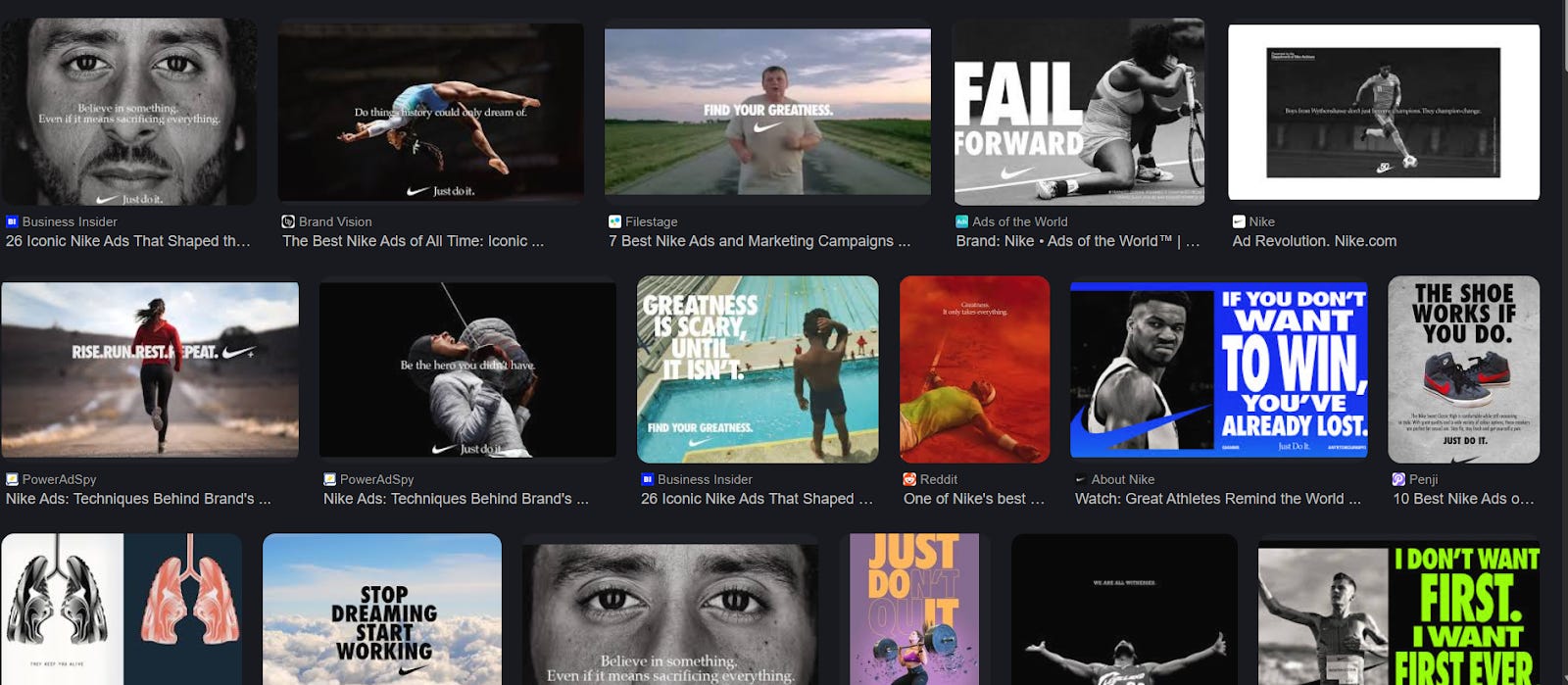
It’s the same reason you don’t click on random ads you come across online. Why? Because you don’t know who the company or person is behind the ad, and you barely trust the ad, so you don’t bother. We buy from companies we have a great brand perception of, which helps create trust and a deep sense of connection.
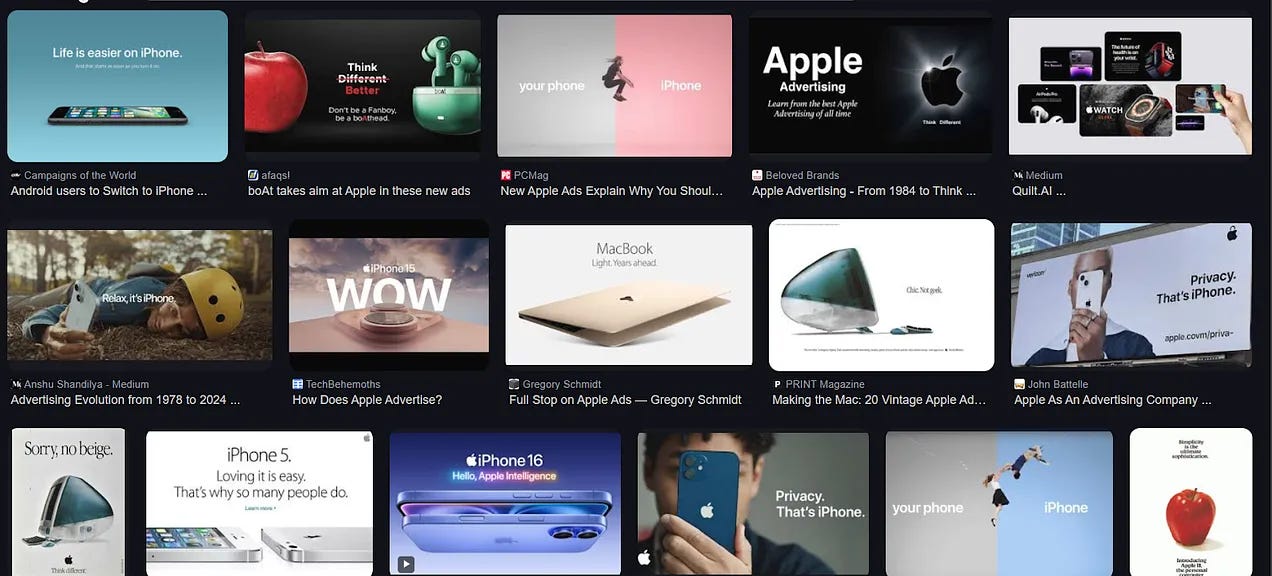
I mean, look at the following ads. Apple spent millions marketing these ads that weren’t even about their products. If this doesn’t convince you what marketing is all about, I don’t know what will. I know the world has become messier and messier, and there’s more noise than signal, but you gotta find your way to think about marketing, right now.

But then you may ask: What should a startup do? It makes sense, it’s the same reason why it’s painful to grow a startup—you don’t have a brand perception, no one knows you, and people don’t trust you yet. So how do you grow a startup and sell its products? The only way to tackle this is to build a great product. Period. I’ll talk about this in-depth later in this article.
So ask yourself: What Brand Perception do you want to create? Go market that.
Marketing Geniuses
Quibi’s failure is a perfect example of why Brand Perception matters. The reason it failed despite spending tens of millions of dollars on marketing is that the company didn’t have a brand perception among users. No one knew what the company was about, what it stood for, and who they truly were. Worse? Quibi built a product people didn’t like, so it backfired.
The reason once you become an Apple customer, you keep buying most of their new products is that you have a great brand perception about the company. And it’s the same reason you upgrade to new Tesla models every few years.
You already know that these companies make great products, and they stand for something that you feel connected to. So it doesn’t take a lot of effort to think whether you’re going to buy their next (new) product or not. It’s an instant yes, and of course, sometimes no. But a strong, great brand perception helps create trust and loyalty, which Quibi clearly didn’t have.
Let’s understand this in-depth with three stories:
#1: Tesla
For years, Tesla spent zero dollars marketing its products; it’s only in recent years, they’ve started running ads on Twitter/X. But the company still doesn’t quite focus on marketing its products, except through its social media accounts.
This begs the question: How is Tesla able to sell so many units & become a trillion-dollar company despite not marketing its products enough, while its competitors struggle to get attention? The answer is simple: Tesla doesn’t just sell cars (like most car companies), they sell the future, they sell autonomy, they sell sustainable energy, and they sell what they stand for.
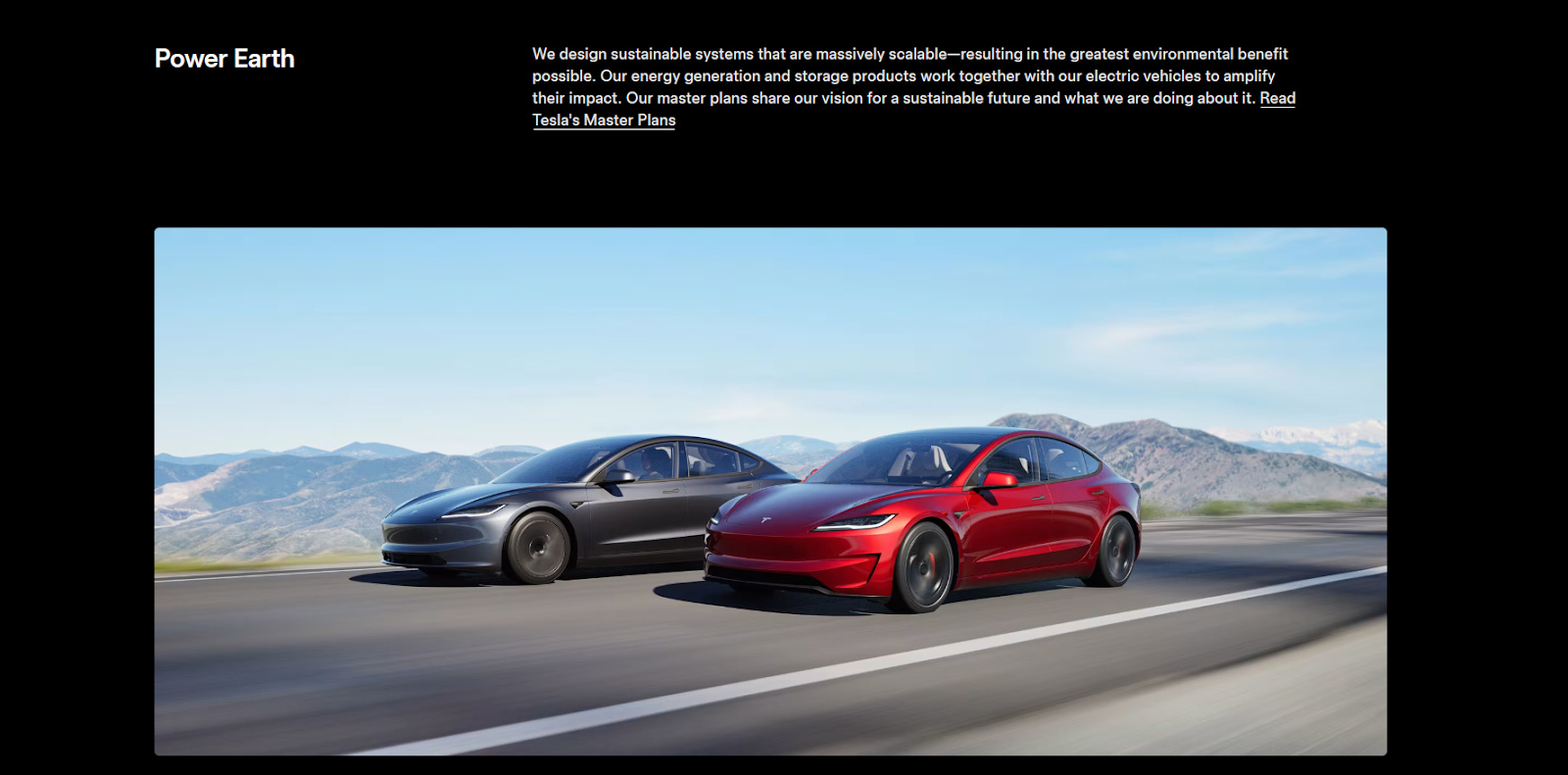
And this has created a strong brand perception about the company without them doing heavy marketing. And it’s why people who buy Tesla, take a picture of it, share it with their audience, and do the free marketing for the company.
I mean, look at these celebs promoting Tesla for free:

Of course, nothing would’ve worked out if Tesla had bad products, but guess what? Tesla makes great cars that are fully electric, beautifully designed, fully autonomous, safe, luxurious, and look great. Elon Musk once famously said: The path to the CEO’s office should not be through the CFO’s office, and it should not be through the marketing department. It needs to be through engineering and design.
Marketing gets a lot easier if you already have a great product.
#2: Nike
Then there’s Nike, which does the complete opposite of Tesla when it comes to marketing. But first, I should be clear that Nike’s products aren’t massively great or different from its competitors; actually, there are far better products than Nike's.
So it begs the question: Why do most people choose Nike over its competitors? Nike has been able to achieve the success it did primarily because of its great marketing, which created a great brand perception about the company among people.
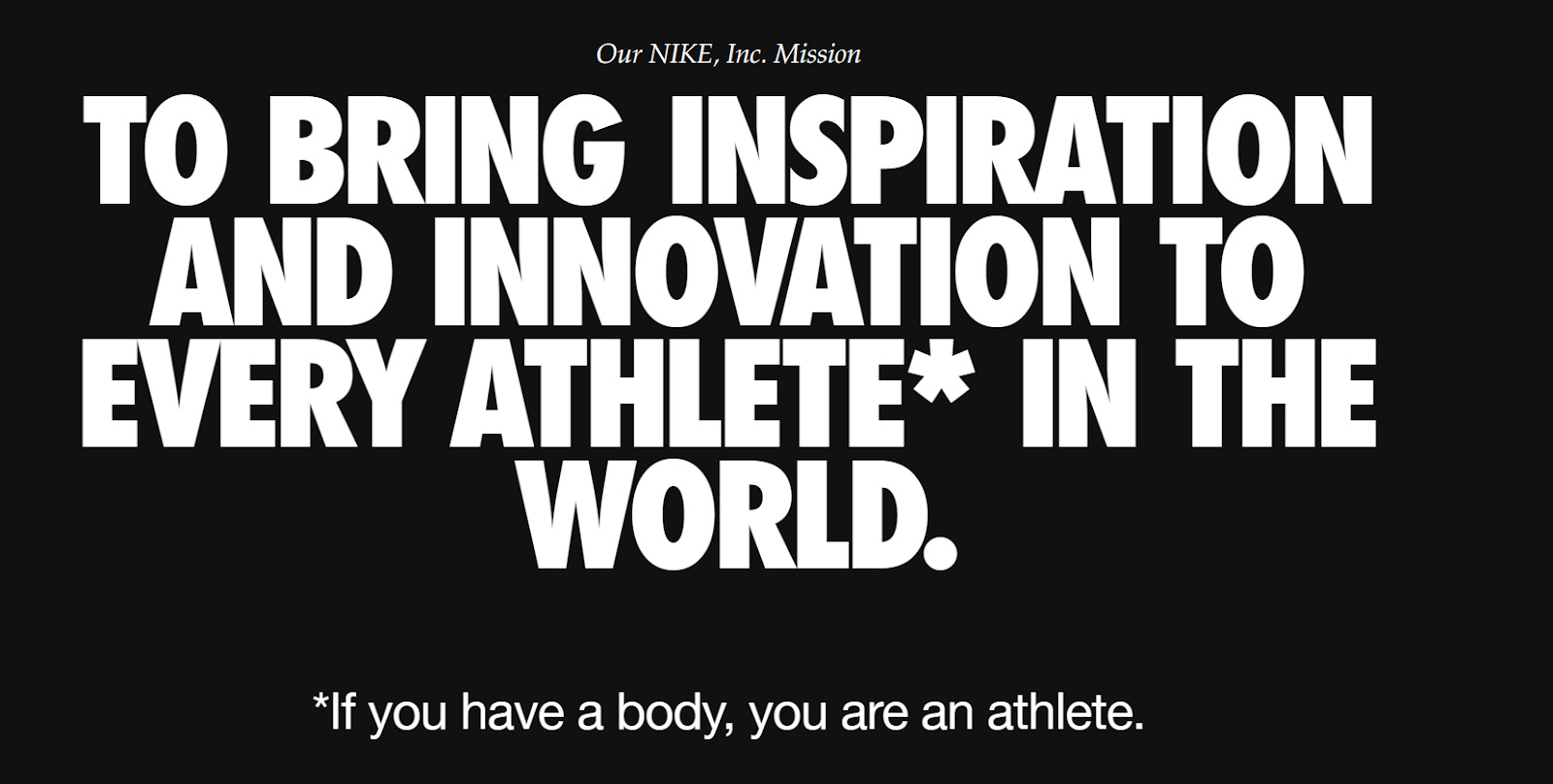
If Nike’s marketing were all about their shoes, how good they are, and why they are better than Adidas, Puma, or Reebok, most people wouldn’t buy them. And of course, Nike would’ve gone nowhere.
But Nike’s great marketing did the work. How? They tapped into feelings. They honored great athletes, they inspired people, and Nike showed that you can be the best version of yourself if you want. Never in the entire history of Nike did they ever talk about their shoes in their ads. Not once!
#3: OpenAI
Remember the year 2022, when OpenAI launched ChatGPT-3 three years ago?
There’s a great marketing lesson here. First of all, OpenAI was largely unknown before ChatGPT-3: people barely knew what the company was about, and surely, it wasn’t the hot AI company it is today. Why? Because it didn’t have any mega-successful, breakthrough product, nor did it have brand perception.
So how did ChatGPT-3 attract 1 million users in the first five days?
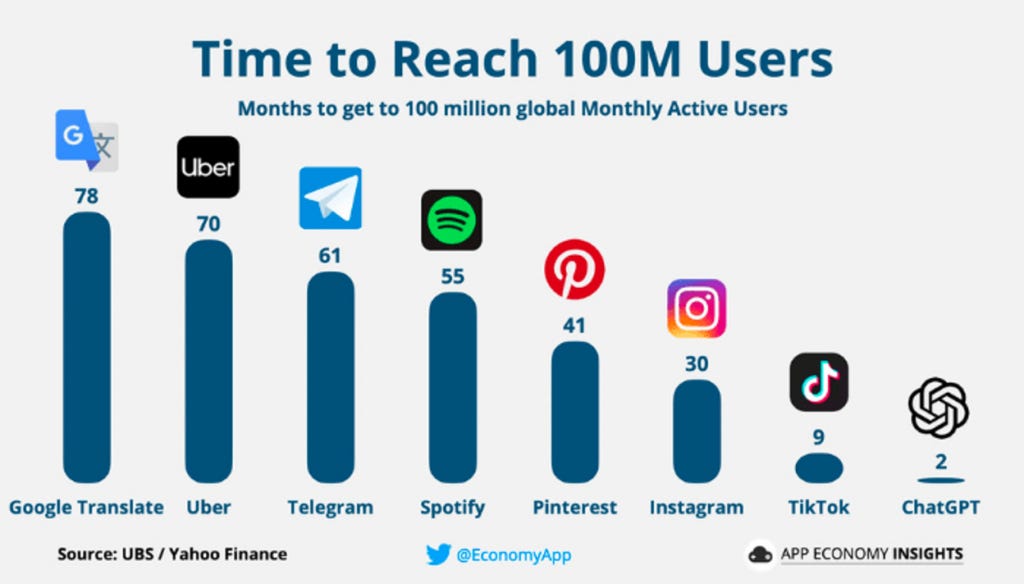
Exceptionally great product. When ChatGPT-3 came out in the market, it took the internet by storm as the world had never seen an AI chatbot like ChatGPT-3 before. This created a strong viral word of mouth among people, sharing and talking about it with their friends, family, and co-workers. As a result, ChatGPT-3 became the first ever product to hit 100 million users in just two months.
The only thing OpenAI did? Introducing the product on Twitter. Actually, Sam Altman’s tweet was a big booster. But what’s interesting is that if you study the success behind great products built by largely unknown companies, you’d find that it’s the same story again and again.
How to Actually Think About Marketing
As you see from these stories, two things are distinctly clear: To make marketing work, you either should have a great Brand Perception or a great product. And this means, nothing in the world can help people buy the product you’re selling if you don’t have any of them.
Can marketing alone work?
Not really. Marketing can’t save a bad or mediocre product, and great marketing alone can’t do the magic. You should think of marketing as an amplifier, a gasoline on a fire that supercharges the progress you make if you actually have a great product in the first place.
Sadly, these are the 3 marketing mistakes companies make, quite often:
#1: Missing the Bigger Picture: Stop running “Products” ads if you don’t already have a brand perception of your company in people’s minds. It’s just not gonna work. First, identify who you are as a company, what you stand for, and what your core values are. Once you figure that out, let the world know it. That’s how you start a marketing movement. But the mistake most companies make is that they never try to figure out who they truly are and what they stand for.
#2: Too Much About the Product: People don’t care about the product you have, all they care about is if they can do the thing they want to do with your product. Your product is a medium for them to achieve the thing they want. Stop telling them about your product’s features, and let them know what they can do with it. But the mistake companies make is that they focus too much on their products: why they are better than their competitors, or the features they have.
#3: Inconsistent Branding: A lot of companies market their products, but they don’t often have brand consistency in their ads. Meaning, they don’t include their company logo, name, or slogan in the ads/content they make, leaving the ideal customers thinking who the hell is behind it. So the best thing you can do is to always add your brand logo or name to every single content or ad you create.
This all now begs the very question: How to create a great Brand Perception?
A million-dollar question right there! Once you figure out how to build a great brand perception, let alone marketing, attracting the most talented people, building a company culture, and setting a high standard for design, sales, or product development becomes a lot easier.
So how do you do that? This is where Simon Sinek’s The Golden Circle comes in.
The Golden Circle has three rings:
What: Most companies/people know this
How: Few companies/people know this
Why: Only a handful of companies/people know this
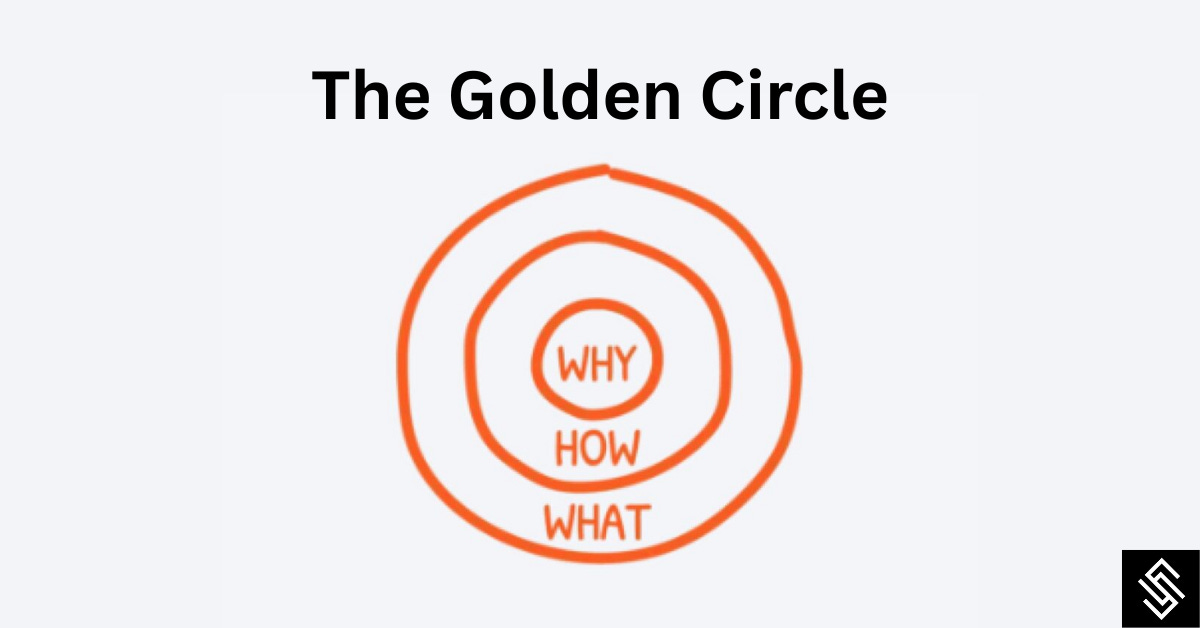
Here’s what the Golden Circle explains: Every single company and organization on the planet knows WHAT they do. Big, small, VC-backed, non-VC-backed, profitable, unprofitable—all know what they build, what they sell, and what their products or services are.
A few companies and organizations know HOW they do what they do. This is how they explain how their product is better than their competitors, how their product works, and its features. But this doesn’t give a reason why people should care and buy their products or services.
Only a handful of companies and organizations know WHY they build what they build. In this category, companies like Apple, Tesla, or Nike come in. Customers know WHY the company does what it does. And this is what makes a difference and separates companies that have the best talents, best products, great customer loyalty, and best marketing from those that don’t.
Let me explain this with a few examples:
Assume a car company comes to you and says, “Hey, we make great cars, they have great mileage, you wanna buy one?” And you’d be like, “Meh, not really.” Nothing is appealing here. You don’t trust the brand, you don’t know who they are, so you don’t bother.
Another example: A computer company comes and says, “Hey, we make great computers, they have good batteries, big creators use them, do you wanna buy one?” And you’d be like, “Meh, I don’t need it.” Again, not appealing.
What’s going on here? These fail to give you a reason WHY you should buy their product. Just saying your product is better than others and has XYZ features doesn’t really make people buy it because there’s always something better, cheaper, and more efficient. And if it were the case, Apple wouldn’t sell more PCs or iPhones than its competitors because let’s be honest, Apple’s products aren’t vastly better or different from its competitors. But they’re able to do that primarily because they have a great Brand Perception, and people know WHY Apple does what it does.
Now here’s how great companies communicate:
This is how Apple communicates: Apple comes and says to you, “Hey, everything we do, we believe in challenging the status quo and thinking differently. The way we challenge the status quo is by building our products beautifully designed, easy to use, and user-friendly. We just happen to make great computers, wanna buy one?” And you’d be like “Of course!”
This is how Tesla communicates: Tesla comes and says to you, “Hey, everything we do is to protect our planet and move the world to sustainable energy for a better future. The way we do that is by building our products fully electric, fully-autonomous, software-first, instantly fast, and safe that doesn’t screw up the world. We just happen to make great electric cars, wanna buy one?” And you’d be like, “I’m sold, let’s do this!”
Of course, I’m exaggerating a bit, but you get the point.
Think Different.
The point really is: You need to show people WHY you do what you do: Show them what you stand for, who you are as a company, and what your core values are. Only then can you make people believe in WHY you do what you do matters and it’s worth becoming a part of the movement. This is so obvious, yet most companies don’t think about it at all. And again, this is not just for creating great marketing ads, but it’s also for hiring, attracting talent, building products, sales, design, creating culture, and everything you can imagine in your company.
People don’t buy WHAT you do, they buy WHY you do it.
The Quibi takedown is spot on, but I actually think it was both bad product-market fit AND bad timing. Short-form content works better when you're killing time at a bus stop, not stuck at home during COVID. You can have killer marketing, but if the use case vanishes, you're toast no matter how much cash you burn.
you just nailed it🔥
to think i decided not to do anything online today but i saw this notification pop up and they title actually sounded interesting.
the content was far more interesting.
thank you 🫶